

Loreto Bay & Isla Coronado: A Private Boat Tour of the Sea of Cortez’s Best Islands
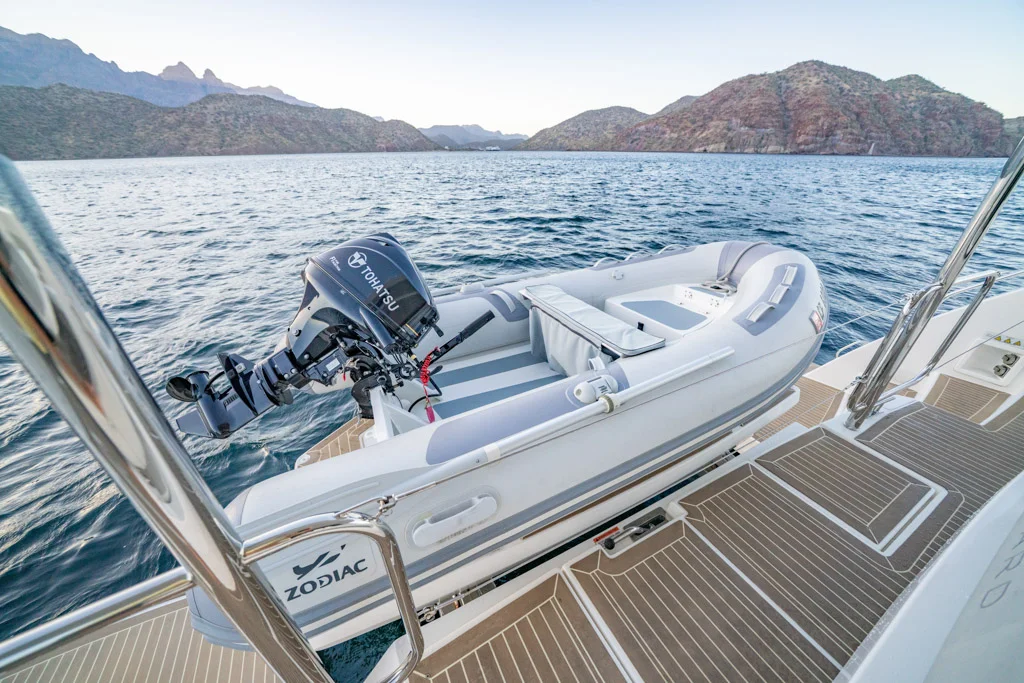
Loreto Bay & Isla Coronado are the Sea of Cortez's premier private boat tour destination, where a compact island chain puts sea lion colonies, volcanic anchorages, and excellent snorkeling within a half-day's reach of Loreto's waterfront. Reading desert thermals and timing your passages well is what separates a good day from a great one, and it is exactly the kind of seamanship our USCG-licensed captains bring to every private charter on the BPY fleet.
By Blue Pacific Yachting Team, USCG-Licensed Captains & ASA-Certified Sailing Instructors
Why Loreto Bay & Isla Coronado Belong on Every Sailor's List
The Sea of Cortez earned its reputation as the world's aquarium from oceanographer and filmmaker Jacques Cousteau, who documented its extraordinary marine biodiversity during expeditions beginning in the 1940s. The United Nations Educational, Scientific and Cultural Organization confirmed this status when it designated the Islands and Protected Areas of the Gulf of California as a World Heritage Site in 2005. Within that protected zone, the Loreto Bay National Marine Park encompasses five main islands: Isla Coronado, Isla Carmen, Isla Danzante, Isla Montserrat, and Isla Catalana.
What makes Loreto Bay & Isla Coronado particularly suited to a private boat tour is the combination of scale and variety. The anchorage system is compact. Isla Coronado sits roughly six miles northeast of the Loreto waterfront, which means a morning departure can have you anchored in a sand-bottom cove before the desert heat fully builds. By afternoon, when the coromuel wind comes in off the Sierra Giganta mountains, you have good sailing back toward the marina or toward Carmen's Bahia Salinas.
For sailors transitioning from Southern California conditions, this environment is familiar in some ways and demanding in others. The tidal range is modest compared to what Pacific coast sailors encounter, but the thermal winds, the intense sun, and the sudden afternoon gusts require the same situational awareness that any serious passage demands.
Loreto Bay National Marine Park: Protections That Produce Results
The park covers roughly 206,000 hectares of sea and island terrain. Commercial fishing within the core zones is prohibited, and those protections produce measurable results. Enric Sala and colleagues at the National Geographic Society's Pristine Seas project, in research conducted across Gulf of California marine reserves and documented through institutions including the Scripps Institution of Oceanography, found substantially higher fish biomass inside protected zones compared to adjacent unprotected waters.
For private boat tour guests, those protections translate to an encounter-rich experience. Bottlenose and common dolphins frequently approach vessels transiting between the islands. Blue-footed boobies and magnificent frigatebirds patrol the thermals above the cliffs. Brown pelicans and double-crested cormorants work the shoals year-round.
The snorkeling at Loreto Bay & Isla Coronado is driven by the same cold-water upwelling system that feeds the California Current further north. At Isla Coronado's La Lobera, underwater visibility of 30 to 50 feet is typical in calm conditions. Sea lions approach snorkelers at close range with what feels like genuine curiosity, especially juveniles. Mexican regulations require maintaining a respectful distance, but the animals often close that gap themselves.
Anchoring protocol within the marine park matters. Permanent moorings are available at some locations, and the park authority encourages their use to protect sea floor habitats. Where moorings are absent, a sand-bottom hook in 20 to 30 feet is preferable. Our team always briefs guests on no-anchor zones before departure, because compliance is part of responsible seamanship in any protected area.
Isla Coronado Up Close: The Sea Lion Colony and the Snorkeling Ledge
Isla Coronado is a long-dormant shield volcano, and its geology shows in the rust-red and ochre cliffs that drop directly into the water on the eastern face. The island's highest point reaches approximately 820 feet, giving it a dramatic profile visible from the Loreto waterfront well before sunrise.
La Lobera, the primary sea lion haul-out, sits at the island's southern tip. California sea lions (Zalophus californianus) use this site year-round, with peak colony numbers in summer. Researchers from the Universidad Autonoma de Baja California Sur have conducted annual census counts here as part of broader Gulf of California pinniped monitoring programs. The sea lion colony can number several hundred animals on a busy day, with sounds and smell announcing the site from a considerable distance.
The snorkeling ledge immediately adjacent to the haul-out runs along a shallow volcanic shelf. Triggerfish, parrotfish, sergeant majors, and occasional reef sharks occupy this zone. The drop-off to deeper water comes quickly, so snorkelers should stay aware of their position relative to the boat at all times.
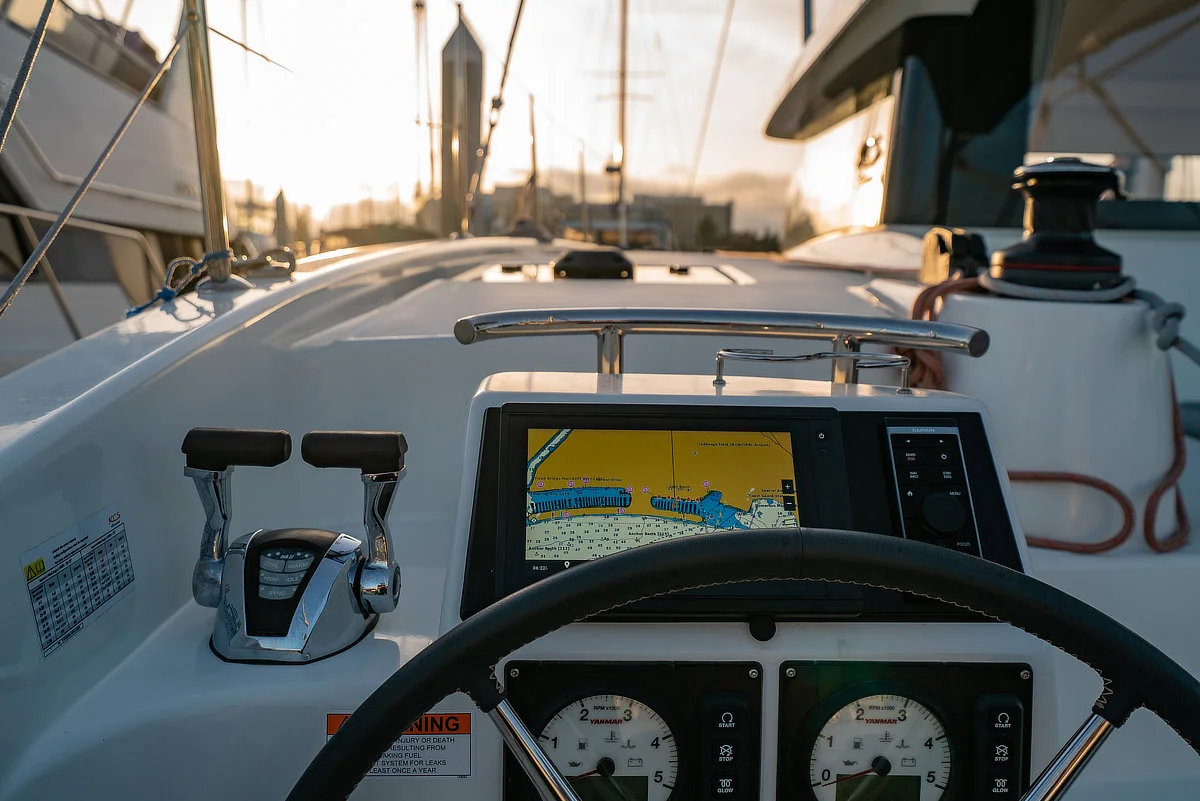
The island's northern anchorage, sometimes called Playa la Mona, offers a more protected overnight option when conditions allow. A white sand beach backed by desert scrub makes for a clean stern-tie or swinging anchor, and the water is calm enough for swimming most evenings. This anchorage is where multi-day private boat tour itineraries often spend their first night, allowing an early morning approach to the colony before day-trippers arrive by panga from Loreto.
Planning a group outing in Marina del Rey?
Tell us your group size and target date and our team will confirm which vessels are available for your window.
Route Planning: Thermals, Tidal Windows, and Passage Timing
The Loreto Bay & Isla Coronado circuit works as either a single long day or a two- to three-day passage. A Multi-Day Charter With Captain approach allows proper sequencing through all five park islands, but a focused day tour concentrated on Isla Coronado and the Loreto waterfront is fully rewarding on its own.
Departure timing is the single most important planning decision. The coromuel, a thermally driven afternoon wind that funnels down from the Sierra Giganta range, typically arrives between 13:00 and 15:00 local time. A 07:00 departure from Marina Puerto Escondido leaves three to four hours of glassy water for the northward approach to Isla Coronado before the wind builds. The return leg then becomes a beam reach or broad reach with 15 to 20 knots of pressure, which is some of the best sailing the region offers.
Current is not a major planning factor the way it is on a Pacific coast passage, but wind-over-current chop can develop quickly in the channels between the islands when timing is off. The passage between Isla Coronado and Isla Carmen deserves particular attention. When the coromuel and the outgoing tidal stream align, that channel can produce a steep, uncomfortable short chop that challenges guests unfamiliar with open-water conditions.
Fuel and provisioning are available near Marina Puerto Escondido and in the town of Loreto. Ice, fresh produce, and most provisioning needs are met by the Loreto town market, a short walk from the waterfront. On a BPY charter, you are welcome to bring your own food and drinks at no extra charge, or our team can arrange catering and an onboard chef so everything is stocked before you arrive.
What to Expect on a Private Charter Through These Waters
Private charters in the Loreto Bay area depart from Marina Puerto Escondido, Loreto, aboard the Blue Pacific Yachting fleet based there. These are private, curated experiences rather than tickets on a shared public boat. Pelican Bleu, a Bali 4.8 cruising catamaran, and Mi Sueno, an Excess 11 catamaran, are well suited to sailing the island circuit, while Hamlet, a Leopard 46 power catamaran, covers ground efficiently for guests who want to maximize anchorage and snorkeling time. For sailors planning bareboat passages in this region, preparation goes significantly deeper than a guided day charter.
Provisioning for several days, confirming Temporary Import Permit requirements for foreign-flagged vessels, and understanding VHF channel conventions in Mexican waters all require advance planning. Communication protocols differ from what Southern California sailors are accustomed to. The Mexican Navy monitors Channel 16, and harbor masters in Loreto expect a formal check-in on arrival. A basic working knowledge of Spanish maritime terminology reduces friction at the fuel dock and the marina office.
Weather routing is more straightforward in summer than in late fall. The stable Baja high-pressure system that defines Baja summers keeps seas manageable and the coromuel predictable. By November, the occasional chubasco, a fast-moving squall system that forms over the Sierras, can move through with brief but intense wind and rain. These are not Pacific gales, but they demand attention from any vessel caught in the open.
The wildlife calendar shifts with the season. Whale sharks aggregate in the waters north of Loreto from October through April. Humpback whales pass through during winter migration. Manta rays are a year-round presence. September, when many visitors plan this trip, sits at the end of the peak summer diving and snorkeling season, with warm water temperatures and good visibility before the fall transition sets in.
Frequently Asked Questions
What does a private boat tour to Loreto Bay & Isla Coronado include?
A BPY private charter is a curated, vessel-exclusive experience aboard one of our Loreto-based catamarans, with a USCG-licensed captain handling routing, anchoring, and the marine-park protocols. The day typically combines a morning passage to Isla Coronado, snorkeling near the La Lobera sea lion haul-out, and a relaxed downwind return on the afternoon coromuel. You can bring your own food and drinks at no extra charge, or arrange catering and an onboard chef in advance.
What time of year is best for a private boat tour to Loreto Bay & Isla Coronado?
September through November offers the warmest water temperatures, typically 80 to 85 degrees Fahrenheit, excellent snorkeling visibility, and the start of manta ray and whale shark season to the north. June through August is hotter but weather-stable, with the coromuel providing reliable afternoon sailing. December through February brings cooler air temperatures and the possibility of humpback whale sightings during migration.
Can experienced sailors charter a bareboat to Loreto Bay without a captain?
Yes, with appropriate credentials and experience documentation. Mexican maritime authorities generally accept proof of ASA certification or equivalent for bareboating in coastal waters. Blue Pacific Yachting will specify its own minimum requirements, which may exceed the regulatory baseline, and bareboat arrangements are subject to qualification review by the BPY team. A vessel brought into Mexican waters under a foreign flag requires a Temporary Import Permit from the Mexican customs authority, which must be secured before departure.
How long is the passage from Marina Puerto Escondido to Isla Coronado?
Under power in calm conditions, Isla Coronado is approximately 45 to 60 minutes from the Marina Puerto Escondido waterfront. Under sail with a light morning breeze, allow two to three hours. The return passage under the afternoon coromuel can be faster, depending on your point of sail and vessel.
Is it safe to anchor overnight at Isla Coronado?
The northern anchorage at Playa la Mona is considered reliable in summer and early fall when winds are from the north and northwest. Afternoon coromuel winds are typically offshore relative to this anchorage, keeping conditions calm. Always confirm conditions with local knowledge before committing to an overnight stay; anchorage holding and protection vary significantly with swell direction.
Sail These Waters With a Team That Knows Them
Loreto Bay & Isla Coronado reward sailors who arrive prepared, with a working knowledge of desert thermals, anchorage protocols, and the patience to let the wildlife come to them. Whether you are scouting a route for your own vessel or planning a guided private boat tour through the full island chain aboard our Loreto fleet, review our Sailing Class Info to build the seamanship foundation this trip deserves.
Ready to get on the water?
Send us your group size and preferred date. We will confirm availability and walk you through the option that fits.