

What ASA Certification Actually Costs, From 101 to Bareboat-Ready
Here's what ASA certification actually costs, from 101 to bareboat-ready: tuition is the biggest line item, but travel, gear, and liveaboard days each shift the total in predictable ways. Knowing the structure before you enroll in Beginning Sailing (ASA 101) puts you in control of the number, not the other way around.
By Blue Pacific Yachting Team, USCG-Licensed Captains & ASA-Certified Sailing Instructors
How Much Does ASA 101 Basic Keelboat Cost to Get Certified?
This section starts with the first course every sailor takes. The ASA 101 Basic Keelboat course is priced on three parts: instructor time, on-the-water practice aboard a small keelboat, and the certification card itself. A complete beginner and a student who has crewed casually pay the same course fee, because the price is built on boat time and instruction, not on how quickly a student picks up the skills.
What moves the number from one student to the next is usually add-ons: a personal logbook, a course textbook if it isn't bundled into tuition, and whether the ASA registration fee is included or billed as its own line. None shift the total much alone, but stacked together they explain why quotes for the identical course can differ between two schools.
What Does It Cost to Move From ASA 101 to ASA 103 and ASA 104?
Once a student has ASA 101, the next step is Intermediate Sailing (ASA 103/104): ASA 103 Basic Coastal Cruising and ASA 104 Bareboat Cruising, usually taught together as one multi-day progression. That pairing is itself a cost lever, since a school teaching both back-to-back on one liveaboard trip spreads fixed costs, the vessel, the instructor, fuel, across more certification value per day than two standalone weekend courses would.
What's Included in ASA Course Pricing, and What Costs Extra?
Tuition for the 103/104 block typically covers the instructor, use of the boat, and the on-water hours required for both certifications. What usually sits outside tuition: ASA certification card fees per level, a course book if you want your own copy, and personal gear like foul-weather layers, non-marking shoes, and a sailing bag. Provisioning on a liveaboard is its own line and varies by whether you or the school handles it.
Why ASA Certification Costs Vary Between Schools and Locations
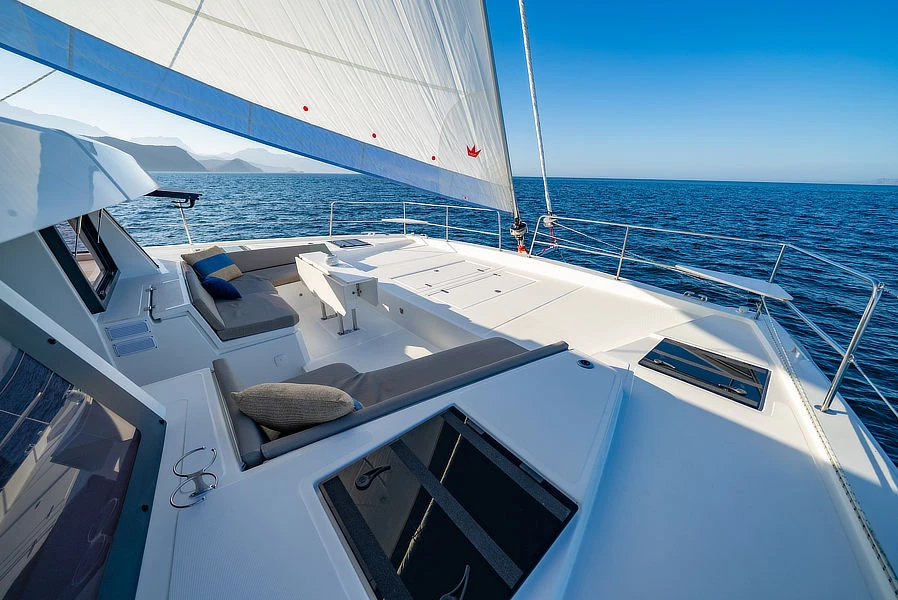
Two schools teaching the same syllabus can land on different totals because the inputs aren't identical. Boat size and type matter (a catamaran with more berths costs more to operate per day than a small monohull), as does instructor-to-student ratio and whether the course runs as a day-sail format or a full liveaboard. Regional costs like dockage, fuel, and marina fees matter too, and a five-day liveaboard to Catalina Island carries different fixed costs than a course that never leaves the marina. That shows up in the quote, not in the certification itself, which American Sailing Association standardizes nationally.
Is It Cheaper to Bundle the Full ASA 101-104 Series?
In most cases, yes. Booking the ASA 101 to 104 progression as one package is usually less expensive per certification than booking each level separately, since the school isn't repeating fixed costs, boat prep, instructor scheduling, paperwork, for every booking. A bundled program also compresses the calendar: students move from basic keelboat sailing into coastal cruising and bareboat skills over one continuous stretch instead of returning to sailing school several times across a season. Once certified, many sailors weigh whether a sailing club membership model makes more sense than one-off charters, a decision that depends on how often they plan to sail.
Ask any school whether they offer a reduced rate or payment plan for booking the full series up front versus paying level by level. Some price the bundle as a flat package; others stack per-course tuition with a modest discount. There's no industry-standard answer, which is why it's worth asking before you commit.
Planning a group outing in Marina del Rey?
Tell us your group size and target date and our team will confirm which vessels are available for your window.
What Should You Budget Beyond Tuition?
Tuition and certification fees are the core of the number, but a realistic budget adds three categories. Travel and lodging matter most for a multi-day liveaboard: if the course departs outside your home city, factor in getting there and, if the liveaboard doesn't start the night before, a hotel night ahead of departure. Personal gear is second: layers for changing weather, a properly sized life jacket if you prefer your own over the boat's, and closed-toe non-marking shoes.
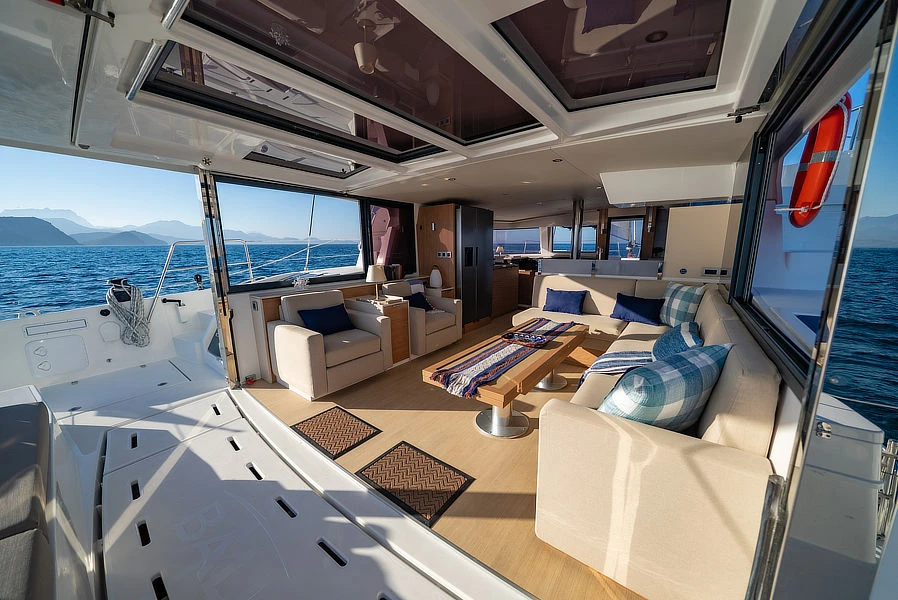
The third category is the liveaboard itself. A multi-day course that includes meals aboard, whether bring-your-own or school-coordinated, carries a food and beverage line a single-day class doesn't. None of these are hidden fees so much as decisions with a range attached, and a straightforward conversation with the school ahead of time should cover all three.
What ASA Certification Actually Costs, From 101 to Bareboat-Ready
Add it all up and the total ASA certification cost, from a first ASA 101 Basic Keelboat class through a bareboat-ready ASA 104, comes down to a few moving parts: how many certifications you're stacking, whether you book separately or as one program, the boat and route the school uses, and how much gear and travel you're bringing versus renting. Seeing it laid out this way is usually what convinces students to book the bundle rather than piecing it together level by level. Students who already own foul-weather gear and live near their school land toward the lower end; students flying in and buying gear from scratch land higher, for reasons that have nothing to do with the quality of instruction.
Is ASA 104 Required to Charter a Bareboat, and What Does It Add to the Total Cost?
ASA 104 Bareboat Cruising is the certification most schools require before they'll hand a student the keys to skipper a boat without a captain aboard, and it typically requires ASA 103 or equivalent coastal cruising skills as a prerequisite. For a catamaran bareboat charter, schools commonly also ask for an ASA 114 catamaran certification on top of 104, plus a sailing resume showing recent time aboard a similarly sized boat, since bareboat approval is a judgment call about demonstrated skills, not just a stack of cards. Added to the 101 to 104 total, that catamaran-specific instruction is a smaller cost bump than the earlier levels, since most of the underlying boat handling carries over.
How Much Does It Cost to Get ASA Certified in San Diego Specifically?
Because the mix of prerequisites, home port, and season changes the total more than any single line item, a San Diego student's fastest path to an accurate number is a quote built around actual dates and boat type rather than a generic range: send our team your target levels and preferred dates and we'll price it directly. The San Diego certification path commonly starts students on a small keelboat before a multi-day liveaboard to Catalina Island for the coastal cruising and bareboat levels, and because San Diego's charter fleet is catamarans, a student aiming to bareboat there works toward a catamaran-specific certification from day one rather than switching hull types midway.
How Does the Cost of ASA Certification Compare to US Sailing Certification?
Both American Sailing Association and US Sailing certifications are built the same way structurally: tuition covers instructor time and boat use, and totals move with course length, boat type, and location, not which organization issues the card. The practical difference for most students is which schools nearby teach which system, since the fastest and least expensive path to becoming ASA certified is usually a program with an established liveaboard route already built around it.
Frequently Asked Questions
How long does it take to go from ASA 101 to bareboat-ready?
Most students complete ASA 101 in a few days, then add 103 and 104 as a five-day (or similar) liveaboard course. Total time from a first class to bareboat certification commonly runs a few weeks to a couple of months depending on scheduling, though a bundled program booked back-to-back compresses that timeline.
Do I need to own a boat to get ASA certified?
No. ASA certification is taught aboard the school's own fleet, with an instructor aboard every session. Owning a boat isn't required for any level, including ASA 104; what matters for bareboat approval afterward is demonstrated skills and a sailing resume, not ownership.
Can I skip ASA 101 and start with ASA 103 or 104?
Reputable schools require ASA 101, or an equivalent skills check, before 103 and 104, since those courses assume basic keelboat skills are already in place. A student with prior experience may test out of 101 rather than repeating known content; ask your school about a skills assessment first.
Is the liveaboard format worth the extra cost compared to single-day classes?
For most students working toward bareboat readiness, yes. A liveaboard puts you aboard continuously, building skills and confidence faster than spaced single-day sessions, and often finishes 103 and 104 in one trip instead of several.
What happens if I don't pass an ASA certification exam?
Instructors typically work with a student on the specific skills needing more practice and offer a retake rather than requiring the whole course again. ASA certification is skills-based, and most schools build in flexibility for a student who needs another day on the water before signing off.
Start Your ASA Certification Path With a Real Quote
The fastest way to know your number is to tell our team which levels you need and where you'd like to train, from a first course through a full beginner-to-bareboat program. Check the Sailing Class Info page for current course dates and take the next step.
Ready to get on the water?
Send us your group size and preferred date. We will confirm availability and walk you through the option that fits.